







 Junab Ali is a Swindon Councillor and he is on Labour’s list of candidates for the South West constituency in the European elections – and the future of Swindon’s Honda plant is very much on his mind. He is very worried about the threat to many thousands of jobs in Swindon and north and east Wiltshire if the Tories’ promised ‘in-out’ referendum leads to Britain’s exit from the EU.
Should support for UKIP turn out to be more than just voters’ protests against the main parties, his worries will increase still further.
 For the past three years Junab Ali has been a member of Swindon Council’s Economic, Environmental and Sustainability Overview and Scrutiny Committee. And one of their most important briefs is to protect and increase inward investment by companies into Swindon.
During those three years the committee has kept a beady eye on Honda as the manufacturer has faced the economic storms raging across Europe. Committee members have taken evidence from Honda executives and experts in the car manufacturing sector.
Junab Ali told MNO: “The whole reason Honda are in Swindon is the EU access. If the UK left the EU, Honda would think twice about staying in Swindon.” The committee were told that up to 25,000 jobs in the area would be directly or indirectly affected by Honda’s departure.
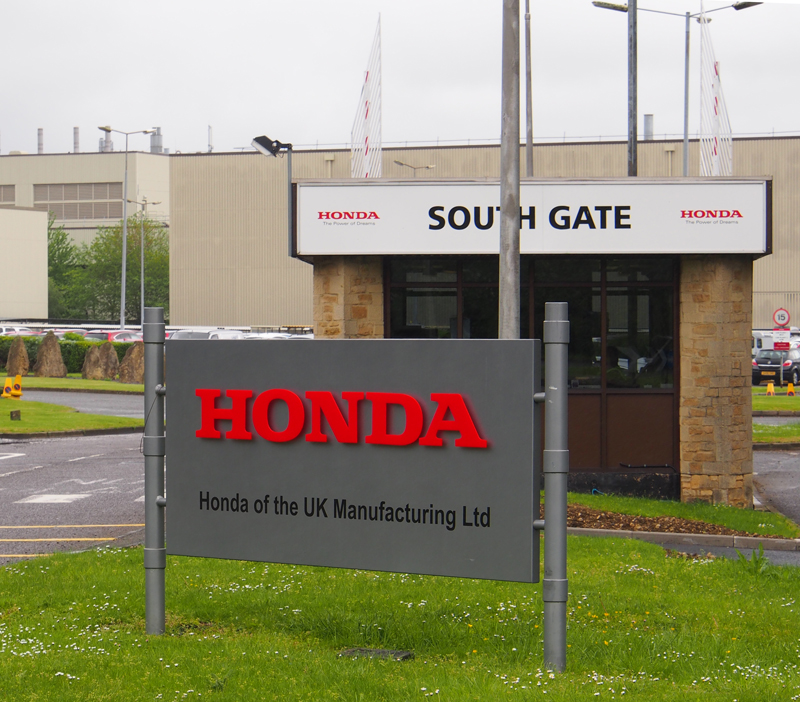
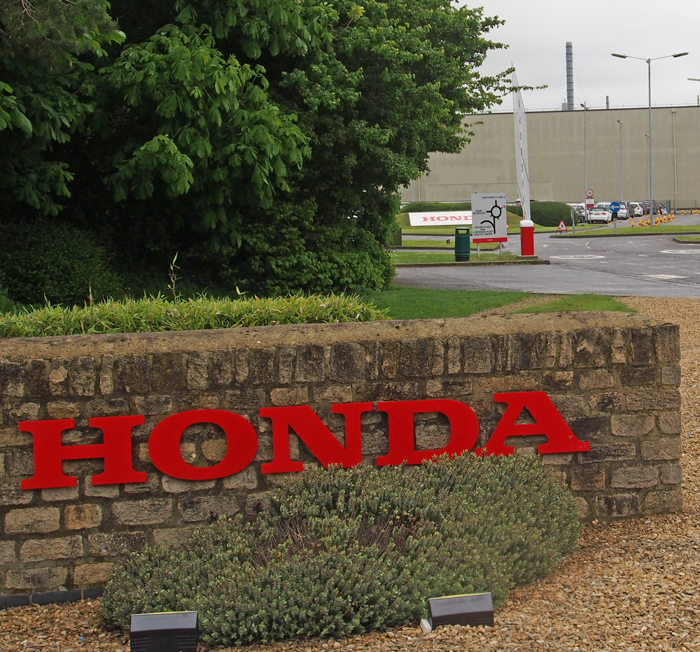
The Japanese car manufacturer – officially “Honda in the UK Manufacturing Ltd” or HUM – started production at Swindon in 1992. Plant One had an annual capacity of 150,000 cars and Plant Two opened in 2007 taking Swindon’s annual capacity up to a total of 250,000 cars.
Annual production reached a peak of 237,783 cars in 2007, falling to 75,583 in 2009. Now with the car market across Europe growing, but “very, very slowly”, Honda found they were still producing too many cars.
In 2013 they made 38 compulsory and 554 voluntary redundancies. In March this year they announced the closure of Plant Two with the loss of another 340 permanent and 160 temporary jobs – these have been under negotiation.
Last week the company said the number of compulsory redundancies had fallen by 40 to 109. But unless many more volunteers for redundancy were confirmed, the formal compulsory process would begin this week (May 12-16.)
Honda’s workforce of about 3,000 would only be the start of the story. Two of Honda’s main manufacturing suppliers – for seats and for wiring looms – are based in Swindon, as are the holders of Honda’s nationwide transport contract and their security contract.
There are many other smaller contracts with local firms. And the ripple effect of the closure of large car plants go far and wide as the local economy is hit.
 Chris Watts, Labour’s candidate for the Devizes seat at the 2015 general election, has been researching Honda’s global manufacturing organisation and the results are worrying for Swindon.
Honda is a global mass-market car manufacturer with thirty plants across the world. Swindon is Honda’s only car plant in the EU.
Watts has discovered that at present the two plants getting substantial Honda investment are in Turkey and India. The plant in India currently makes the same three models – Civic, Jazz and CR-V – as are made in Swindon.
One can only speculate that the operation in Turkey is based on Turkey eventually joining the EU and Britain eventually leaving it, or could Honda simply take advantage of a cheaper workforce if the UK left the EU?
Those thirty plants around the world mean that Honda can fine tune their output to meet swings in demand in all their markets and it is said that they can switch production levels at any of their plants with just 48 hours notice.
As Chris Watts put it to MNO: “The primary unique selling proposition – the USP – of the Swindon plant is the unfettered access to a European market place of 600 million people. If we exit Europe we lose this USP.”
 Another worrying sign has come from the Unite union’s regional coordinator Jim D’Avila who has been negotiating the current round of redundancies.
During these talks the union has discovered, as he told the Swindon Advertiser: “…Honda have an ongoing strategy to replace Honda associates [fulltime, permanent workers] with contract workers, paying the contract workers less money than they would have to pay Honda associates…”
And in the longer term that strategy not only saves money, but makes it quicker and cheaper to close the plant. Jim D’Avila: “The major risk to Honda leaving the UK would be if the UK left the EU.”
“Under EU guidelines, any car manufacturer wishing to sell their product in the EU needa to basically manufacture those vehicles within the European Union, and if the UK was no longer within the EU, then there’s a strong likelihood that Honda would have to leave Swindon and manufacture the cars for Europe somewhere within the EU.”


