






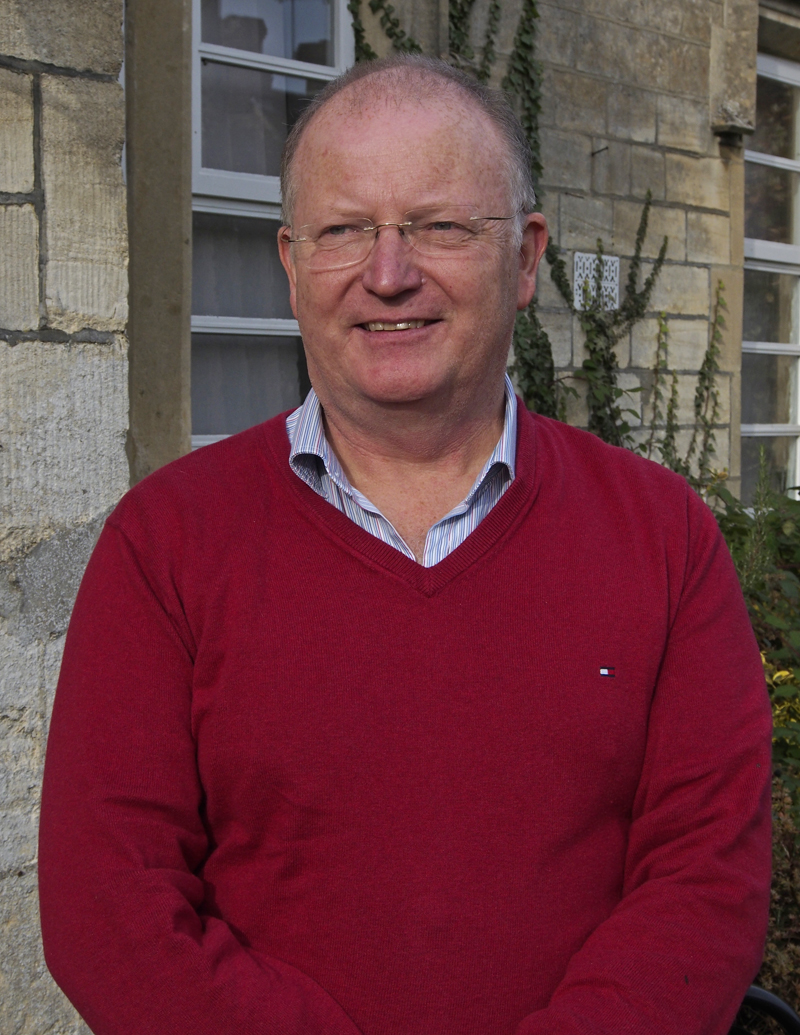
 The Great Bedwyn GP Dr Tim Ballard has given more details of moves towards forming a federation of local surgeries in the Marlborough area. At the same time he has called for GPs to get a greater share of the NHS budget.
“This year”, he writes in the June issue of the Great Bedwyn parish magazine, “this [share] has dropped to 8.3 per cent of the total spent on the NHS.”
Dr Ballard’s plea comes as GPs are about to mount a hard hitting petition and poster campaign calling on patients to back their demands to reverse the cuts to the funding for general practice. The posters are being sent to every surgery in the UK.
They will show a long queue of patients waiting outside a surgery – echoing the famous Tory ‘Labour isn’t working’ unemployment poster. The campaign is being organised by the National Association for Patient Participation and the Royal College of General Practitioners (RCGP.)
In March the College launched a similar campaign with the theme ‘Put Patients First – Back General Practice.”
 The RCGP argues that more than 90 per cent of patient contacts take place in local surgeries and GPs have forty million more appointments a year than they did five years ago. It is estimated that this year 34 million requests for a consultation with a family doctor will not be met because of growing demand and declining resources.
A contributory factor is the amount of time some GPs spend working for their Clinical Commissioning Groups which were specifically designed by the coalition government to be ‘clinically led’.
And Dr Ballard opens his article by thanking patients for their ‘patience and understanding’ over his ‘decreased availability’ now that he is the RCGP’s Vice Chairman for External Affairs and has to spend more time away from Great Bedwyn.
His ‘Our doctor writes’ feature concentrates on the thinking behind the moves to form a ‘federation’ of local surgeries in the Marlborough area – first reported by Marlborough News Online last month.
“Our five local practices have begun to discuss how we might be able to work more closely together. This may bring some economies of scale. I’m told that if you buy five times as many loo rolls then each roll becomes a little cheaper.”
“For me it will give us the opportunity to bid for extra resources to deliver better out-of-hospital care, especially for those with incurable long-term conditions, such as dementia or heart or kidney failure.”
He believes the ‘federation’ will allow specialists to work in new ways and outside hospital “to try and maintain wellbeing for longer and, importantly, making the decision that people who are increasingly frail my not be best supported by what hospital has to offer.”
However, bringing care to people’s homes is not always straightforward. As Dr Ballard mentions elsewhere in his article, the number of district nurses in England “has fallen from 12,000 in 2008 to only 7,000 now”
Dr Ballard says GPs should concentrate more on the prevention of illness – taking a leaf out of the UK fire services’ book: “They have been so successful that they have fewer fires to put out these days. Wouldn’t it be great to be so successful that our waiting rooms were empty…”
And he reassures patients about the ‘federation’ policy: “From the front end and the patient perspective I think the successful federation doesn’t look very different as you walk through the door, except that access may be even better.”
 UKIP scores a mighty victory across the nation – and with almost half a million for them in the South West


