







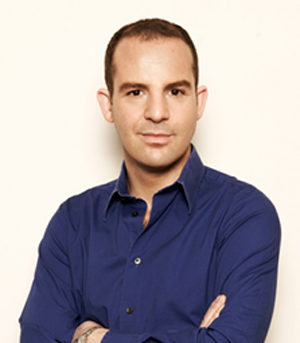
 A six figure personal donation from the journalist and Money Saving Expert Martin Lewis will fund a radical new pilot scheme by the Salisbury-based Trussell Trust foodbank charity to provide one-stop advice to those in financial trouble.
This pioneering idea is in response what the Trust calls “the alarming increase in people being referred to food banks who are in severe financial difficulty”.
Research carried out for the Trussell Trust in June showed that one in ten families across the United Kingdom have taken out a pay day loan to make ends meet in the last year (actual figure – 12 per cent.) It also found that 24 per cent of families have fallen into debt in order to provide for family members.
 In May the Devizes food bank, which is affiliated to the Trussell Trust and has branches in Pewsey and Marlborough, reported that during 2013-2014 the number of family food boxes issued had gone up by 91 per cent and individual boxes by 62 per cent.
The reasons people came to these three foodbank outlets were cited as: low income – 25 per cent; benefit cuts – 22 per cent; and benefit delay – 29 per cent.
More widely across the country, over 900,000 people (including 300,000 children) received three day’s emergency food from Trussell Trust foodbanks in the 2013-2014 financial year – 163 per cent more than in the previous year.
The Trussell Trust’s pilot scheme will see local foodbanks working in partnership with debt and money-management charities to provide instant financial help to people who come at a time of crisis to collect food boxes.
David McAuley, Trussell Trust’s chief executive, explained why the pilot was being launched: “It’s deeply concerning that the basics of dignified life in modern Britain – food, heat and electricity – can fall out of reach for so many.”
“High prices, static incomes, problems with benefits and harsh welfare sanctioning are forcing people into extreme financial difficulty. When you’re facing stark choices between eviction or feeding the family, debt and high interest loans can seem to offer a short term solution, the reality is that this often forces finances to spiral out of control.”
“By introducing a ‘financial triage’ service in foodbanks, where clients are able to connect with free financial and debt advice, people will be given professional help to manage tight finances, avoid pay day lenders and structure debt to prevent the situation from getting worse and to help people break out of crisis much faster.”
Martin Lewis’ donation – with additional funds from the Trust itself – will enable the charity to develop the first stage of its ‘more than food’ approach giving people in need access to a range of support that includes emergency food, debt advice and money management all in one location.
Why has Martin Lewis put his name and his money behind this scheme? “The hope is”, he says, “that this scheme will provide a financial equivalent of ‘give a man a fish and you feed him for a day; teach a man to fish and you feed him for a lifetime’.”
“Those who go to foodbanks are already open to asking for help. They’ve rightly prioritised the urgent need to feed themselves and their children. Yet if we can intervene at that point to start to get their financial lives back on track, by approachable, non-judgmental help, it will hopefully cut down the number of return visits.”
The pilot scheme will start in September with six Trussell Trust foodbanks in different regions of the United Kingdom. The Trust runs a network of 400 foodbanks and 90 per cent of the food is donated by the public.
 Cricket: Marlborough 1sts bounce straight back with an emphatic away victory at Calne


