





 A planning proposal for a new development of 200 or 100 homes can cause a lot of discussion and, sometimes, dissension among Marlborough’s town councillors. At Monday’s (June 29) meeting of the planning committee it was two one bedroom flats that raised the temperature and dominated discussions.
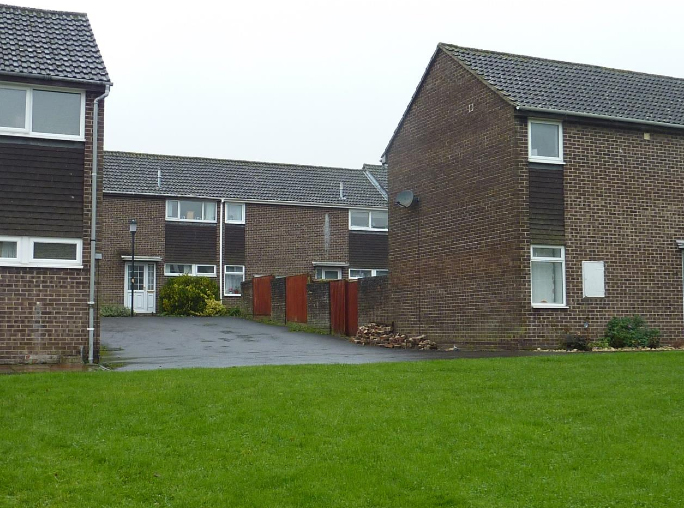
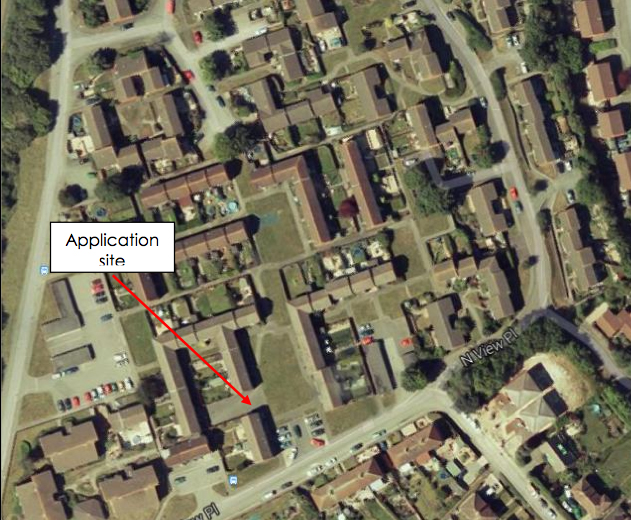
Five neighbours of the site, including Angela Francis who asked councillors about the plans, were there to hear the debate about Aster Communities’ plan to build the flats to fill a gap between two existing, 1970s houses at Baylie Acre near North View Place.
Councillors agreed that it was a very tight gap – ‘in-filling’ in the extreme. And there were expressions of frustration that the Wiltshire Core Strategy was likely to over rule any localism-based objections when the application was considered by the planning authority – Wiltshire Council.
These homes will be for sale on the open market, though Aster say: “The income generated from the scheme would then be fed back into Aster Communities to support the construction of new build affordable housing elsewhere.”
 A majority of councillors expressed their dislike of the plans. But as Councillor Richard Allen put it: “We need planning objections – not just objections from the heart.”
Several councillors said the flats would block a path used by children going to school and older people going to the shop. But it is not a registered ‘foot path’ and so is not a protected route. But the flats will mean residents lose some ‘amenity land’.
Could an objection be based on ‘over development’? Councillor Peggy Dow: “It is over development when you’re within a foot of a semi-detached house.” And there were grave doubts whether the development would allow proper maintenance access to the homes on either side of the gap.
Anxieties were expressed about the lack of parking. And there was some amazement at the applicant’s claim that six existing parking spaces plus four new ones would give local residents 12 spaces in all.
Could the killer objection be based on lack of access for emergency services in what was designed as a pedestrian development? But the Fire Service had not raised any objections to the plans.
At the end of a lengthy debate, councillors voted to object to the plans on the grounds of layout and density, loss of amenity use, lack of proper advertising of the plans and lack of any mention of a party wall agreement for the houses on either side of the ‘gap’.
Unitary Councillor Stewart Dobson said he was prepared to ‘call in’ the application – which means it has to come before the planning committee of elected councillors rather than be decided by officials. But he needed a proper ‘planning basis’ to work with – “stronger reasons to object.”
 Cricket: Marlborough v Malmesbury – Penfold and Richardson make runs as the sun shines (2)


