




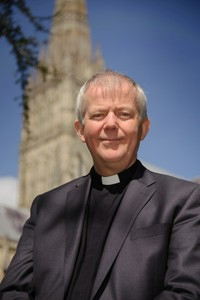
 The gap between rich and poor is at its widest now for 30 years with pockets of poverty in some parishes in Wiltshire hitting 25 per cent of children, says the Bishop of Salisbury. And it is has reached a stage where it is neither just nor sustainable, the harsh effects of how poverty is hitting and hurting people revealed by new figures for the diocese.
The Bishop has spoken of concern for the poor in his Thought for the Month in the Sarum Link newspaper, pointing out that tackling poverty ought always to be on the church’s agenda.
“This is especially true in what might be a triple dip recession,” he writes in his poverty trap warning. “According to the Church Urban Fund, if you live in the poorest areas of England you are on average likely to die 26 years earlier than those living in the richest areas.”
“In life the poorest are two or three times more likely to have a mental illness than the richest. They are also more likely to be disabled and to suffer other physical illnesses.”
“Our country as a whole has become more prosperous. We generate more wealth but distribute it increasingly unequally. The gap between richest and poorest is greater than it has been for over 30 years.”
“During our years of growing prosperity, the vast majority of our increased wealth went to those who were already rich — while the poor actually became poorer. This is neither just nor sustainable.”
The Bishop points out that last month’s Diocesan Synod received a presentation on the counties of Wiltshire and Dorset, adding: “Average wages in our counties are below the national average — North Dorset £351 per week compared to a national average of £412 per week.”
“Money isn’t the only way to measure wealth. This is a lovely place to live. It counts for a lot if people are happy and content. By and large people in Dorset and Wiltshire are healthier than the national average.”
“Poverty is sometimes hard to see. Maybe that makes it harder to see that in Dorset there are 19,160 people claiming out of work benefits. That’s 7.7 per cent of the working population. Our children are more active and healthier than the national average, but even here 14 per cent of children in Dorset and 12.6 per cent in Wiltshire live in what the government identify as poverty.”
“There are local pockets of poverty with some parishes where the percentage of children living in poverty is 25 per cent.”
Because the area was a good part of the country in which to retire, it meant the local counties had a far larger proportion of elderly in the population.
“This means we also have a higher proportion of age-related illness, like dementia and significantly more carers who are looking after members of their family,” says Bishop Holtam. “That can be a demanding, tough and lonely role. We also have a high proportion of people living on their own.”
“At Diocesan Synod we saw some great examples of how local churches are involved in caring for those who are at risk of being left out, good neighbourliness and community development.”
“We are less good at putting the picture together and seeing what is going on overall. We are better at caring for individuals than for asking why some groups and communities are in need, at providing food for food banks than asking why they have so quickly become an essential provision for so many people.”
“Christians have a special responsibility to care for the poor, especially in an economic downturn. It is not just that Jesus cared for the poor and outcast or that the more you give the more you receive.”
“The greater challenge to those of us who are comfortably settled is that Jesus made his home among the poor. That means the poor have something to give to those of us who are relatively wealthy.”
“In Christ we really do belong with one another.”
 Singing sensation is a step away from stardom


