





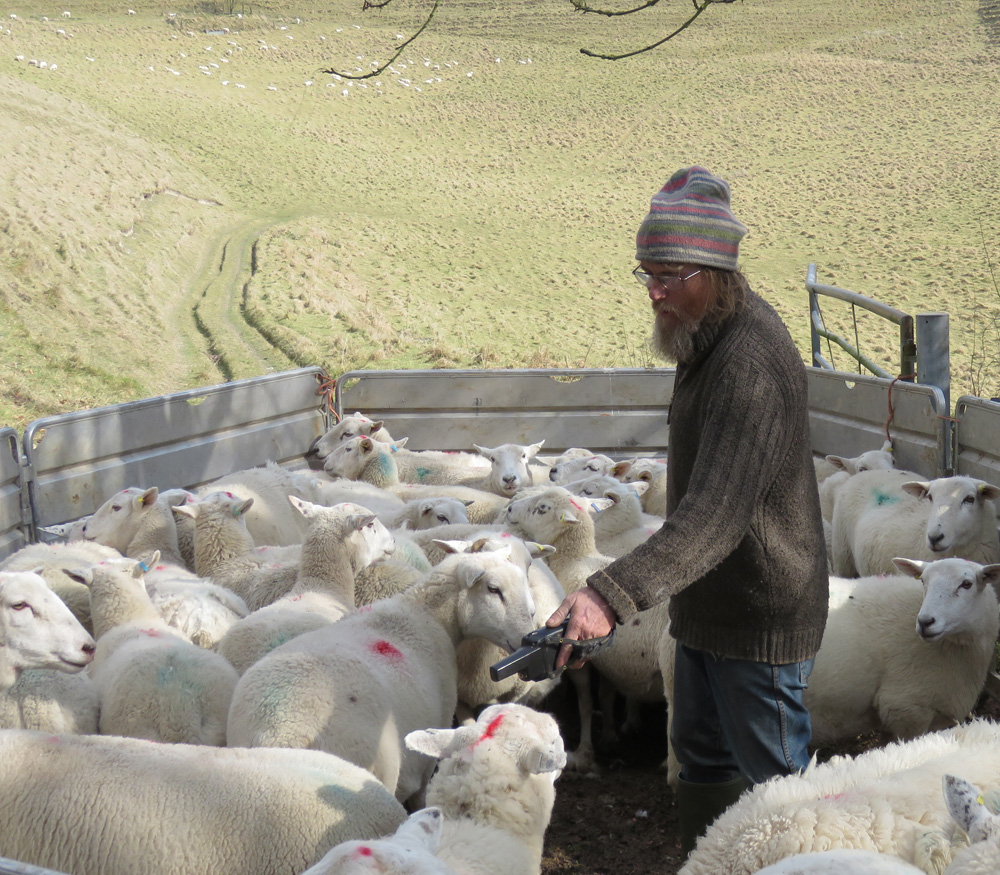
 Tim White was working up on the downs near Pewsey. With him were his three collies, his data reader, his mobile hurdles and electronic weighing gear – and out there on the hill 126 of his flock of 1,000 ewes.
He lives near Frome and has sheep on land near Blandford, near Wincanton, near Pewsey – and in winter on Martinsell Hill where they help maintain the unique downland turf.
At the beginning of January Marlborough News Online reported that his ewes on Martinsell had suffered serious attacks by dogs – not stray or nearly feral dogs, but pet dogs being taken for a walk and suddenly reverting to some earlier generation’s behaviour. We will come back to that aspect of the story later.
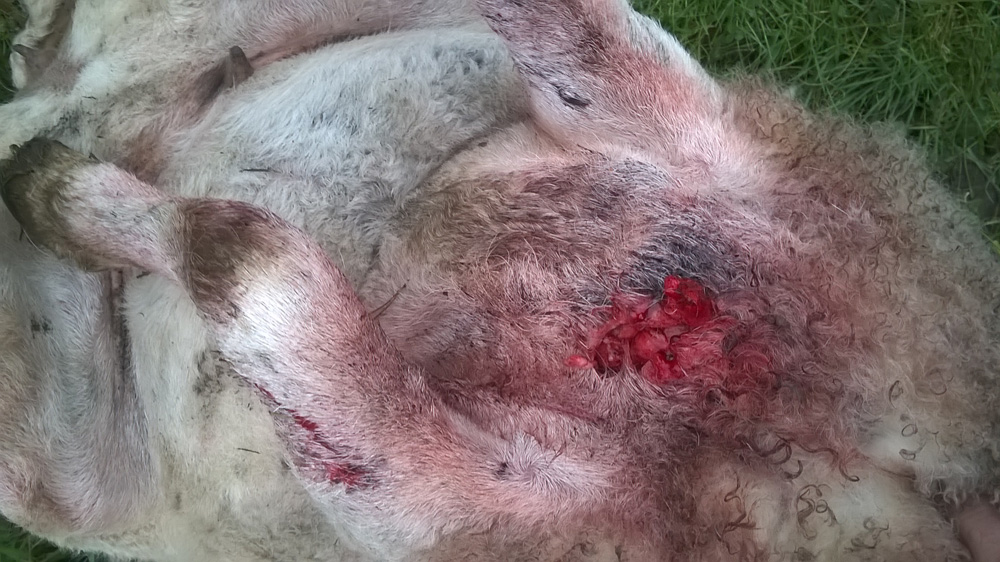
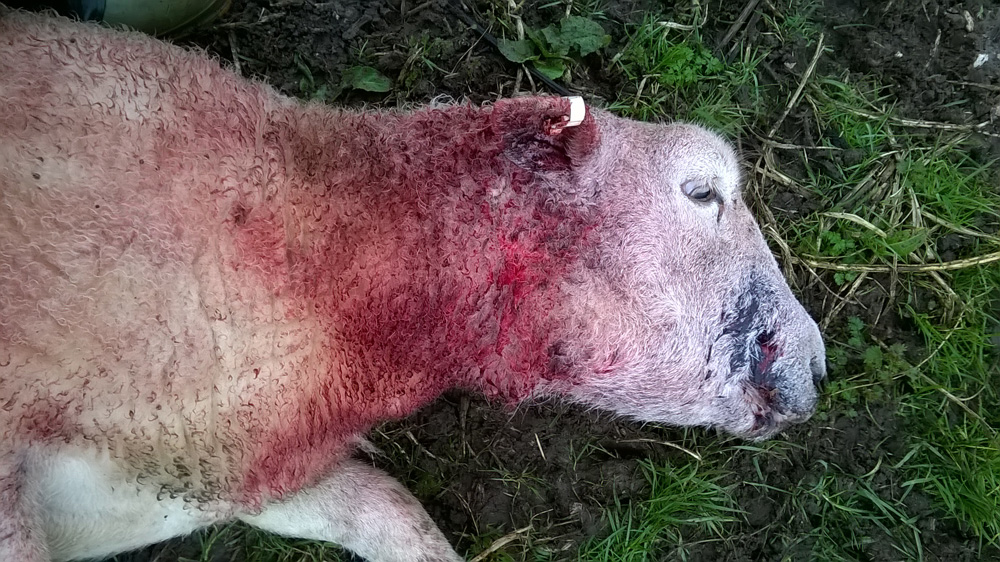
At the foot of this article are two photographs of injuries to ewes from what is sometimes called ‘sheep worrying’. They may be something you will not want to see – or want children to see. But they do carry an important message.
Tim White describes himself as a ‘fairly late entry’ to farming. He owns no land, has no farm with yard and barns, no collateral. He rents his home and does not borrow money. Is he really, we ask him, a shepherd?: “I’m not a shepherd – I’m a data nerd.”
He relies on his meticulous collection of data to continual improve the genetic make up of his flock of Exlana sheep – where ‘ex’ means without and ‘lana’ means wool. They are a composite breed based on fourteen breeds selected from around the world.
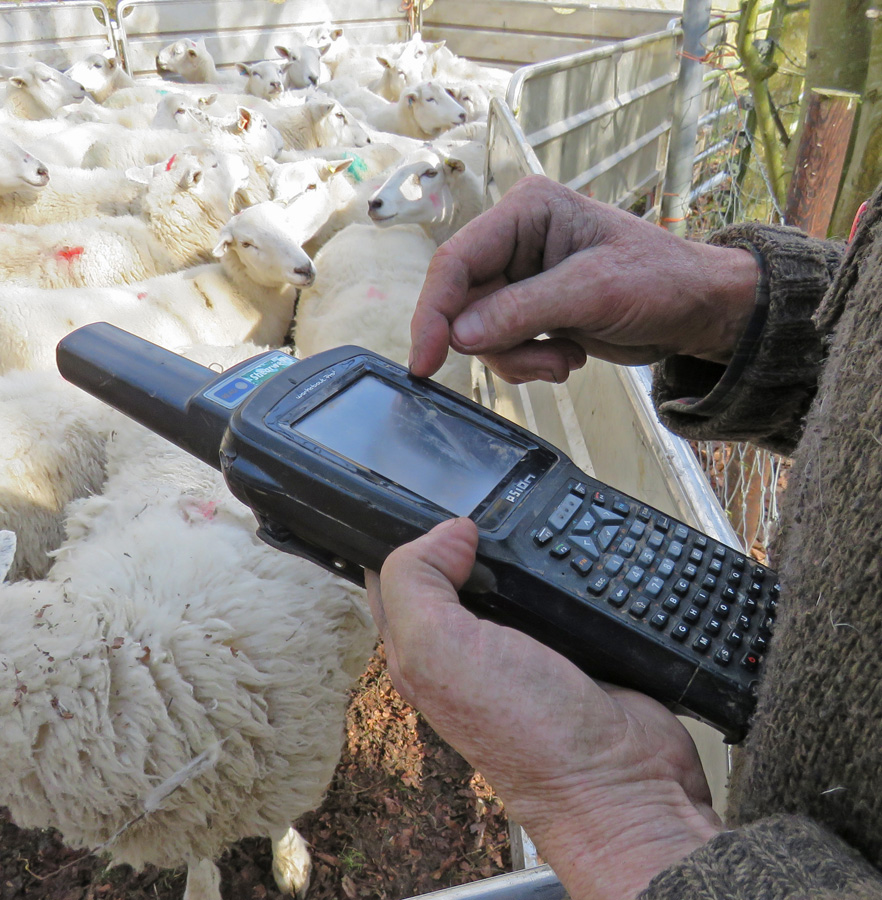 All Tim White’s ewes have an electronic ear tag. He just has to point his reader at the tag and in an instant it shows him when a ewe was born, whether they were a twin or have had twins, their growth progress, treatments – a full life history, which is invaluable to researchers and in genetic-based breeding.
His flock is part of a national evaluation programme and he and his colleagues have attracted research projects from many agricultural institutes.
Tim White is a member of the Sheep Improved Genetics Ltd consortium of farmers in the south-west of England who are refining their stock through careful breeding to obtain easier management, ewes able to lamb unaided in the open and which shed their wool naturally. The ewes also grow winter weather resilient coats that enables them to cope with the cold and the wet.
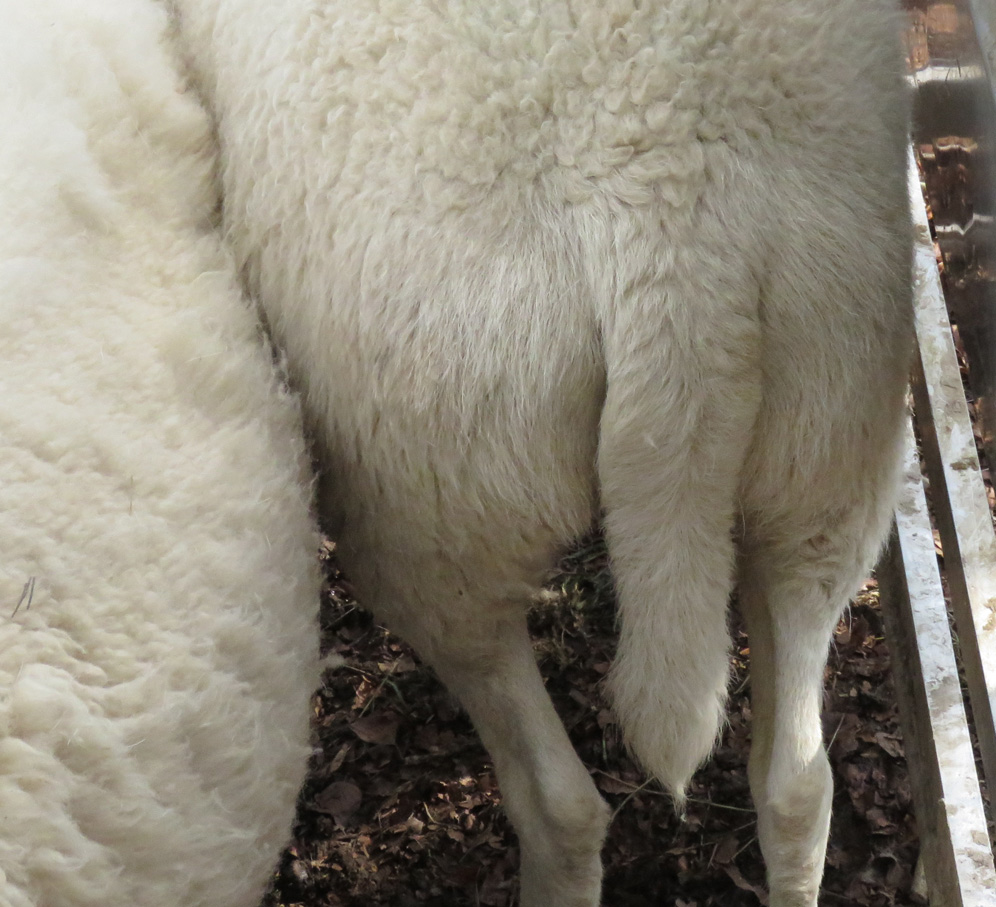 These Exlana sheep are also called ‘hair sheep’ and the close cropped wool or hair means they are freer of fly strike, worm and other parasitic attacks. And as they do not carry around that wool-and-droppings mix seen on many sheep’s back-ends which is dangerously attractive to blow-fly and other pests, they do not have to have their tails docked.
After careful genetic selection, some of his ewes are now able to destroy in their gut half of worm eggs they ingest from the grass.
But why breed the wool out of sheep? Wool is no longer marketable. Fleeces can sell for £1.50 – almost exactly what it costs to shear each sheep.
Tim did not like the idea of studying agriculture at Cirencester, so he took off on a fourteen year journey working on farms and ranches in New Zealand, Australia, the USA and Eastern Europe. When he finished travelling, he worked for fifteen years as the livestock manager on what was then Britain’s largest organic farm.
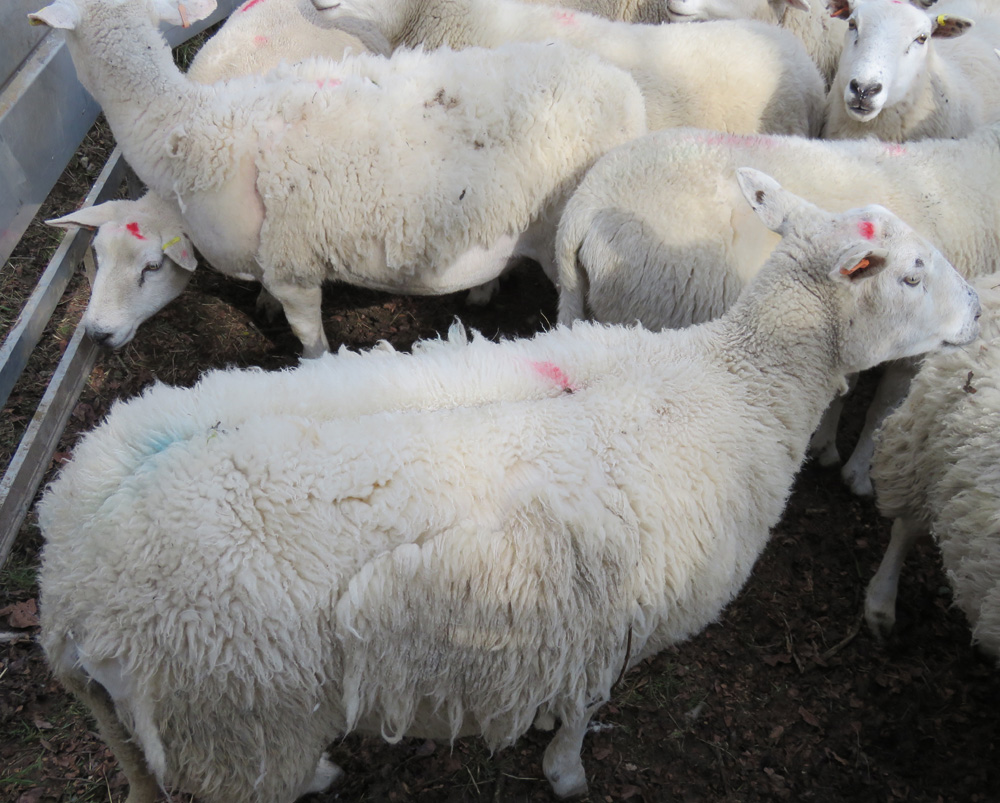
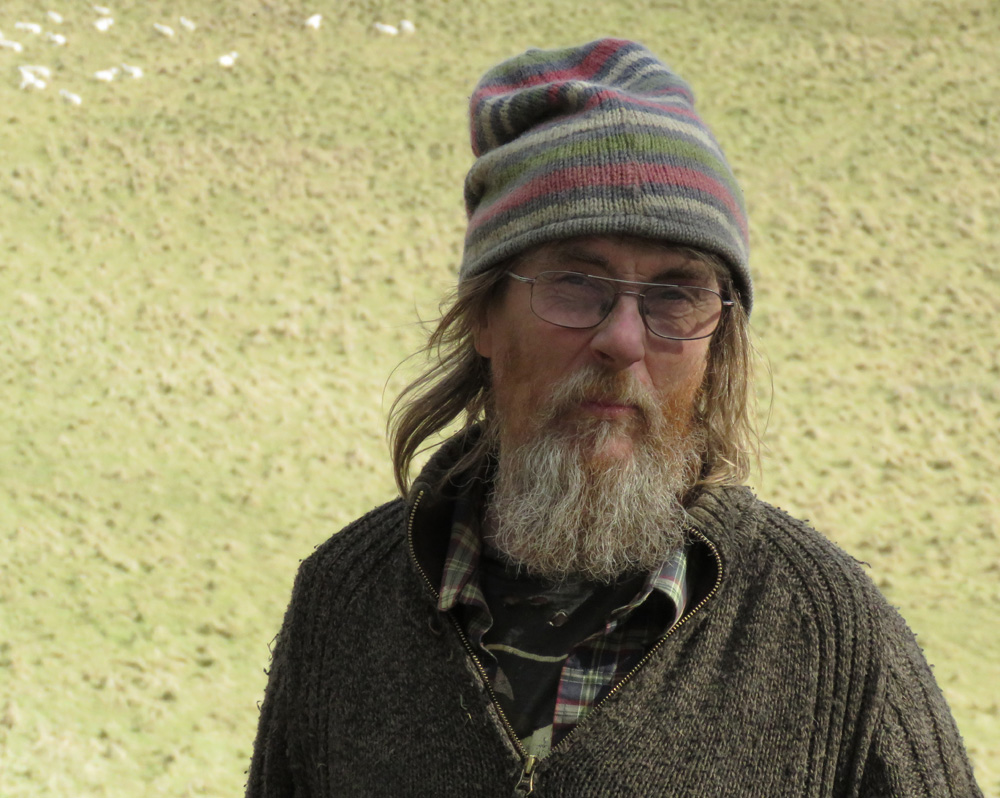 Why did he then decide to breed sheep?: “There’s a short turnover with sheep – lambs can be fertile after a year. You get your money back in the first year – no profit, but money back. Cattle take three years to mature. But they’re much nicer than sheep – sheep are just numbers, with cows you can have fifty and know them by name!”
Tim White and his colleagues in SIG Ltd want to move on to breed for food efficiency. There can be a 100 per cent variance between two sheep of the same flock in how efficiently they turn food into what makes them sell – meat.
When I met Tim White he was looking for funding to start a large scale breeding programme on food efficiency: “It might take us seven years to knock ten per cent of the feed bill.” But they do not want to go too quickly and fall into the poultry trap of breeding food efficient hens some of which cannot stand up.
Tim’s careful breeding programme is sometimes interrupted. He found some ewes in one of his one flocks had been impregnated by a straying ram – a puny, runt of a ram of no genetic value. The ewes had to be aborted and start their pregnancy again with a selected ram. And then there are the very unwelcome interruptions by pet dogs…
Being able to leave your sheep to look after themselves is good – except when dog walkers lose control of their pets and Tim White’s ewes get attacked.
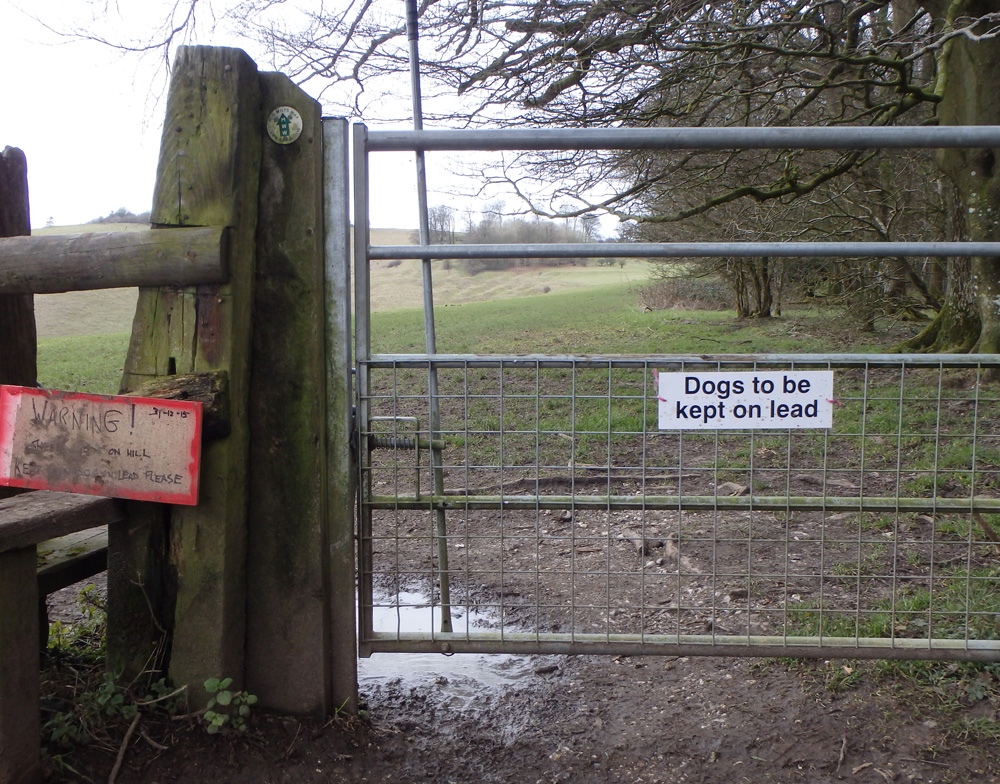
![Tim White's ewes on the west slope of Martinsell Hill [Click to enlarge]](https://marlborough.news/wp-content/uploads/2016/03/TIM_WHITE_SHEEP_MARTINSELL_1.jpg) Since 1 November 2015 he has lost seven of his breeding ewes to attacks by dogs and had to stitch and care for 20 more. The owner of the first dog to attack on Martinsell Hill owned up and paid for the sheep.
Since 1 November 2015 he has lost seven of his breeding ewes to attacks by dogs and had to stitch and care for 20 more. The owner of the first dog to attack on Martinsell Hill owned up and paid for the sheep.
After another attack Tim found the ewe, turned her over onto her back, lifted up a large flap of flesh and could see her heart beating. He stitched her and taped up the wound and gave her antibiotics. Kept safely at his home, she proved very resilient and is now carrying twins.
The incidents that do not end as well as that one, have cost him about £6,000 in the last five months. The vets fees, medical products, disposing of bodies and so on, all adds up. There are other less obvious costs – after one series of attacks with the sheep being chased around a hillside, he found 75 per cent of that flock were barren.
Tim’s message to dog owners is simple: “On farmland and pasture, keep your dogs on the lead – there may be sheep just over that hill.”
 Growing concern over air pollution in Marlborough – especially from A346 traffic


