




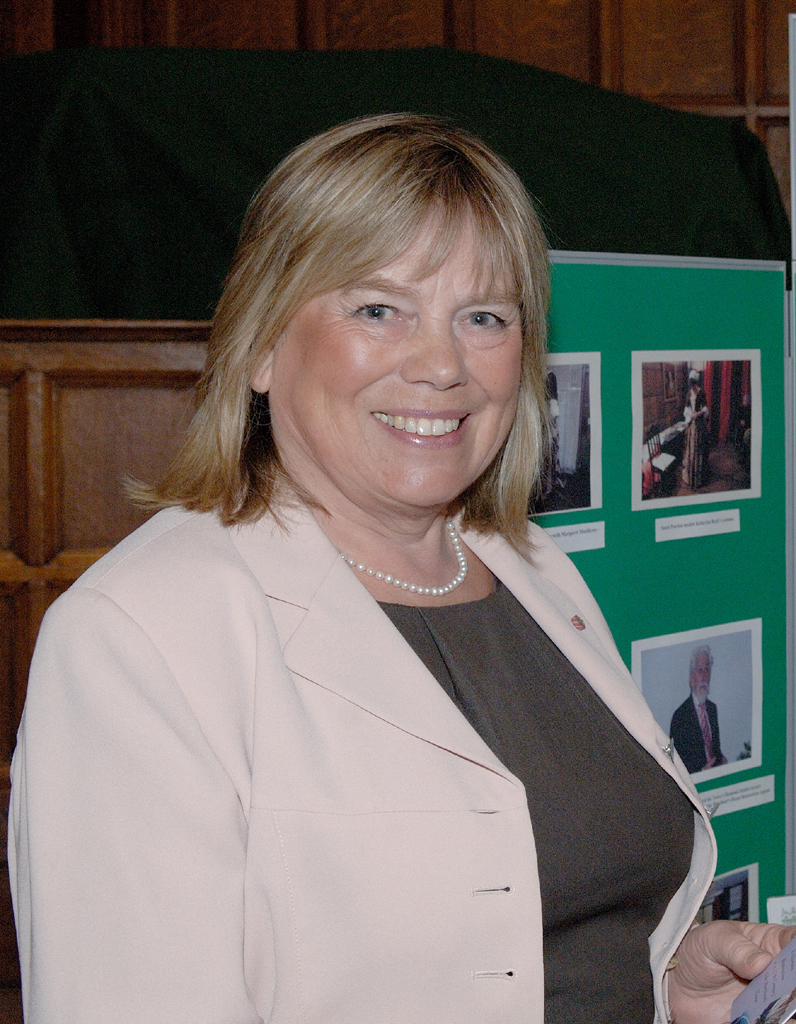
 Jane Scott, the Tory leader of Wiltshire Council, has criticised Whitehall for the lateness in its local government funding review for the coming year, which will mean a three per cent cut in the council’s spending.
Despite the loss of £11 million in its £800 million odd budget, she insists Wiltshire will not raise council tax and has a strong business plan with which to cope with its reduced spending power.
But she denies that the council is directly involved in campaigning as part of a coalition of 120 rural councils, mostly Conservative-controlled, against Prime Minister David Cameron and Communities Secretary Eric Pickles.
And that local councils are considering seeking legal action by way of a judicial review against Communities Secretary Eric Pickles’ funding settlement decision.
The threat comes from SPARSE – Sparsity Partnership for Authorities Delivering Rural Services – which has confirmed that Wiltshire is indeed a member of the organisation.
Sparse has declared that the coming year’s spending settlement for local authorities hits rural areas much harder the urban ones and is considered “grossly unfair.”
A report in the Daily Telegraph revealed: “A revolt of the Tory shires is a further political headache for Mr Cameron, who is battling against rising support for UKIP and faces county council elections in May.”
In an exclusive statement to Marlborough News Online, 62-year-old Mrs Scott declared: “I can confirm Wiltshire Council is a member of SPARSE, an organisation that focuses on raising awareness about the issues and challenges that are unique to rural authorities.”
“We have not been involved in any specific campaigns but we are supportive of the collective struggle against the strain the new formula places on rural areas.”
“The new methods of setting funding are weighted towards cities and urban conurbations and it is vital that MPs are made aware of the specific challenges councils such as ours face in ensuring that vulnerable people, often living in relatively remote areas and without the means or ability to travel, have access to a full range of services and a good quality of life.”
Mrs Scott reveals: “Wiltshire’s funding has been reduced by £11 million, although we are still awaiting a few final grant announcements. The effect of this decrease in funding is confused by references to a reduction in total spending power, which includes council tax as well as spending on fire, police and parishes, and equates to a reduction on 2.1 per cent.”
“In fact the reduction we are facing, in terms of the year on year cash impact is 3 per cent. Whatever the final figure is, it will mean we have less money to spend and we are currently reviewing options to balance our budget and an announcement on this will follow shortly.”
And critically she adds: “The lateness of the government’s announcement of our funding has not been helpful to the council’s ability to plan for the future of our communities and to running such a complex business.”
“However, despite the reduction to come in our funding, we can say we will not be increasing council tax and thanks to our foresight we have a strong business plan which will see the most vulnerable protected while we will look to build strong communities right across the county.”
“Finally, in Wiltshire we are prudent and only hold reserves for what Mr Pickles says they should be held for – emergencies. As such we have one of the lowest reserves in the country, which presently stands at £12.5 million.”
 Wiltshire scores another significant first as Patrick Geenty becomes the new chief constable


