




 The disloyalty of Baroness Thatcher after she was forced out of office by her own Cabinet colleagues in the wake of the disastrous Poll Tax was the highlight of a Radio 4 programme yesterday (Saturday) presented by Elinor Goodman.
The former Financial Times journalist and Channel 4 News Political Editor, who lives at Wilton and is well known in Marlborough, concentrated on What Thatcher Did Next in a programme that included interviews with a host of Lady Thatcher’s former colleagues and friends.
Among them were Tory peers Lords Powell, McAlpine, Bell, Hurd, Parkinson, Fowler plus Tory MPs Kenneth Clarke and Euro-sceptic Bill Cash.
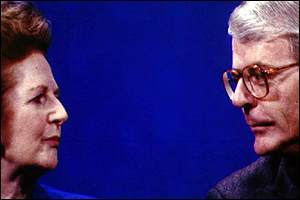
The inevitable outcome was a display of arrogance by Lady Thatcher, who believed that her successor, John Major, was deliberately destroying her legacy and used her friends to poison the press against him.
“She was supportive of John Major during the Gulf War but as he tried to nudge the party towards his version of compassionate Conservatism she became increasingly suspicious that he was trying to undermine her achievements, and with speeches in America claimed that Major was dismantling her inheritance,” Elinor Goodman revealed.
“She dismissed his government as a B team, despite claiming to be loyal.”
She pointed out that Lady Thatcher saw Major “as her protégé” but when he didn’t turn out to be a true Thatcherite “she felt another burning sense of betrayal that exacerbated the grievance she felt about the way she was deposed.”
“Losing the job, she not only lost her power and status but also the framework of her existence.”
Lord McAlpine compared her loss of the premiership to bereavement, the more so as she had not planned to retire and had not been rejected by the voters, only her colleagues, there being “no job specification for ex prime ministers.”
Elinor Goodman added: “She never recognised that winning another election might require a change in tone and, in some cases, policies. As Major’s government limped from one crisis to another, her acolytes felt they had her support to undermine him.”
At first Major’s problem was that she was too supportive of him, promising to be “a good back-seat driver” but he fumed against her disloyalty and reportedly called Lady Thatcher “mad and loopy.”
Later he wrote in his memoirs that her support for the Maastricht Treaty rebels “had turned a difficult task into an impossible one.”
Lady Thatcher intervened in subsequent leadership elections and made the Conservatives’ annual conferences a “nightmare” for party managers, added Elinor Goodman.
“At the 2001 conference she described herself as ‘The Mummy Returns’ unaware it was the title of a horror film.”
But even when visited the weekend before she died, Lady Thatcher, now frail and losing her memory, announced that she wanted the Conservative Party to win the next general election outright, proving that throughout her life she was a tribal Conservative.
Elinor Goodman concluded: “The Conservative tribe owes a huge debt to her but most of the 23 years after she was forced to step down were extremely painful ones, both for herself and for the party.”
“She didn’t make it easy for her successors but, as she saw it, it was her duty to protect her legacy. Consensual politics were not for her – in office or retirement.”
 Chris Humphries campaigns for his Wiltshire Council seat as an Independent


