





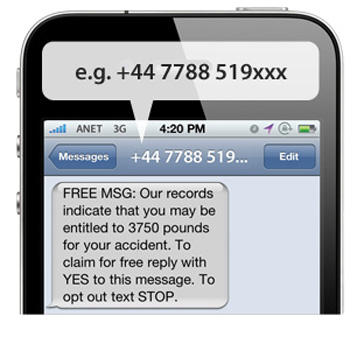
 This is a straightforward consumer warning: there is a kind of spam text message that comes un-asked onto your mobile ‘phone. They seldom come one at a time and they cost you and earn money for the sender. So if you find surprise items on your mobile ‘phone bill for £1.50 – check them out.
As you probably delete this sort of message pretty quickly, you will be unaware that they are going to show up as charges on your bill. And the sender will, of course, get part of that £1.50.
Moneysupermarket has an apt definition for these texts: “Spam texts are a modern scourge, plaguing our mobile phones with unwanted adverts, often from dodgy companies. Yet it is possible to fight back, report them and minimise the number you get.”
Marlborough News Online has been alerted to this fraudulent scam by someone in Aldbourne who suffered last month and has suffered again just a few days ago: “I discovered my bill had trebled – so investigated and was alarmed and appalled that this happened totally unbeknownst to me. Text number 85222 was to blame. No idea who they are.”
“The sender is making lots of money out of unsuspecting mobile ‘phone users. These texts do NOT come as part of the text allowance on your mobile contract.”
The best information on this fraudulent activity is at Martin Lewis’ Money Saving Expert website. He identifies three types of texts:
• legitimate marketing messages.
• premium messages – you will have signed up to receive these, but may not realise they are costing you money. These can be turned off.
• spam texts – they usually come from an 11-digit number and the company sending them is not identified.
This website tells you what to do about spam texts, how to report them – and, most importantly, that you should NEVER REPLY to a spam text.
There was a massive increase in these spam text messages during December – the Information Commissioner’s Office is aware of them and is monitoring the practice.
As the Aldbourne victim says: “Anyone hit, needs to go online and see how to stop these texts.”
“Vodafone are very good at handling my fury, but I do wonder just how many other mobile phone users are being hit with this disgusting hidden practice. It is literally robbing people without their knowledge.”
 It’s nearly springtime: here’s a website to help walkers find their way round the Wessex white horses

