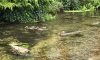




Mallard ducks have many native predators and their eggs and ducklings even more. Fox, stoat, weasel, heron, owl and other birds of prey, grass snake, members of the crow family and rat to name a few.
As river corridors improve, these other species higher up in the food chain (predators) increase and this can reduce an unnaturally large group of ducks.
In years gone by the Kennet in Marlborough had large populations of domestic/farm escapees, including Muscovy and mandarin ducks. These were not a natural part of the ecology, and they relied on people in the town feeding them in order to survive.
Urban mallard ducks are facing an ever-increasing impact from domestic pets and human disturbance. In the South West 26 % of households now own a dog, in fact since 1965 the dog population in the UK has nearly doubled and it’s a similar story for cats. Many breeds of dog when off of a lead will instinctively go through riverbank vegetation to sniff out wildlife, and cats love to hunt. Just because a pet does not come back with prey, does not mean there hasn’t been a negative impact. Waterfowl when disturbed can abandon their nests.
The more heavily an area is used by people and dogs the more disturbance we cause, as with many things in life there is a balance to be struck. It is really good to get out and get pleasure from the Kennet, ARK has put access points into the river at several locations to create spaces for the community to enjoy their river, whilst leaving other stretches for the wildlife that people like to see, to thrive.
Rats will eat duck eggs and ducklings. In Marlborough we have a rat problem. Cooper’s Meadow, The Priory and the back of Waitrose are areas where there are a lot of food scraps, including bread and this ready food source supports a healthy rat population, quite happy to snack on a duck egg or two.
Crows will eat duck eggs and ducklings. The crow population in town is also high, they too benefit from any kind of food left around the town.
Grey squirrels are known to take birds eggs and eat baby birds. Grey squirrels are not a native species and their population is booming.
If you take a walk beyond the town centre there are duck families to be seen. It is natural to see the duckling numbers of a family reduce; this is the same for many creatures that have lots of young/lay lots of eggs.
There is no evidence to suggest the overall population of ducks on the river is declining. A government report on bird populations published last year showed that mallard ducks are one of the most successful birds in the UK and their numbers have trebled since the 1970s, which is a rare good news story in the context of farmland and woodland birds which have seen a steady decline.
Anna Forbes – Project Officer & Volunteer Co-ordinator